

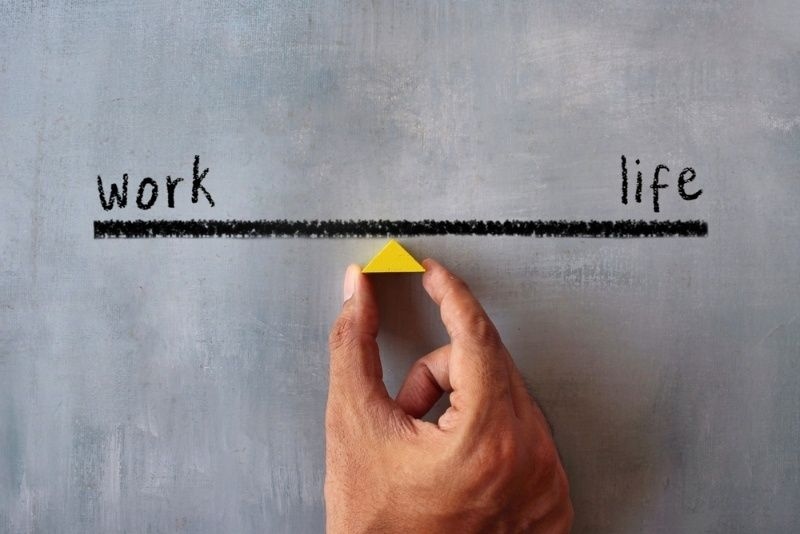
Hustle culture was previously referred as constant effort for long hours, with the idea that staying busy can help people achieve success. This meant people kept working for long hours without proper rest and did not understand the actual cost. However, this situation has completely changed now.
In this blog, you will understand the evolution of hustle culture and how it has created work-life balance in 2026.
Must Read: Time Management Techniques: Mastering Productivity & Focus
The way people structure their day is no longer the same. There is a visible shift in how work fits into life, not the other way around.
You can find the most popular work-life balance trends of 2026 in the following list:
People are no longer forcing themselves into strict schedules that do not match their energy levels. Some prefer early mornings; others work better at night. This flexibility helps them stay focused without feeling drained too quickly during the day.
There is a stronger awareness now. Constant pressure is no longer seen as a sign of dedication. Instead, people are stepping back when needed, giving themselves space to reset, and then returning to work with better clarity.
Work used to spill into personal time without much thought earlier. However, individuals are now trying to draw clear lines. This means once their shift at work ends, they live their personal life. This simple shift is part of the growing work-life balance trends seen today.
Not every opportunity is being chased anymore. People are asking simple questions before saying yes. Does this matter? Does this add value? That pause is changing how careers are built over time.
The impacts of remote work culture are explained in the following list:
People now create their own workspace. It could be a quiet corner, a desk near a window, or even a shared space. This control helps them feel more comfortable, which often improves focus without extra effort.
There is a flip side. Without a clear separation, work can slowly enter personal time. A quick check turns into an hour-long task list. Many are still learning how to manage this without losing their personal space.
Without constant supervision, individuals need to manage their own schedules. This builds discipline, but it also requires effort. Some days are smooth; others are not. That uneven rhythm is part of the shift.
Conversations are more planned now. Quick chats are replaced by messages or calls. This changes how teams connect, making communication more structured but sometimes less natural within a remote work culture.
You can build a productivity mindset by following the steps listed below:
Instead of filling the day with tasks, people are choosing a few clear priorities. This reduces confusion and keeps the focus sharp. It also prevents that constant feeling of being behind on everything.
Energy levels change during the day. Some hours are naturally more focused than others. People are learning to match important work with their high-energy periods instead of forcing productivity at the wrong time.
Short pauses are becoming part of the routine. A walk, a few minutes away from the screen, or even silence. These breaks help maintain energy instead of draining it slowly over long hours.
Not every plan works perfectly. People are learning to adjust without stress. If something does not work, they shift it. This simple approach strengthens a steady productivity mindset over time.
You can check the following list to understand how the hustle culture is evolving:
Working longer is no longer seen as the only way to succeed. People are paying attention to what they produce, not just how long they sit at a desk. That quiet shift is changing expectations.
The desire to create work on one’s own is rising. Digital entrepreneurship enables individuals to design their own route by making choices about how and when they will work.
Spending time resting is slowly becoming normal. It no longer stands for doing nothing productive but is considered an approach to maintaining performance without burning out quickly.
Success has acquired a new meaning. No longer is it only about the status someone holds and the money they make. It now consists of stability, tranquility, and the possibility of combining work and enjoying life.
It seems that hustle culture is gradually turning into something else. While people keep working hard, they become more responsible for what they do and gain much more knowledge on the process. This change is shaping a future where success feels sustainable and not forced.
Hustle culture is the belief that one must work constantly to become successful. In some cases, this concept promotes the need to always work without considering other things. This is no longer the case, as people have begun prioritizing balance and happiness.
The balance between work and life is becoming a critical trend, as people have discovered that continuous work results in exhaustion. Being balanced keeps one energetic and focused while ensuring development. This way, people remain productive without losing themselves in the process.
The popularity of digital entrepreneurship has increased due to its independence and flexibility. This enables individuals to craft their own unique path to success by creating value. It affords the individual the freedom of choice, making it compatible with modern life.
This content was created by AI